


Recovery: The most overlooked part of fitness
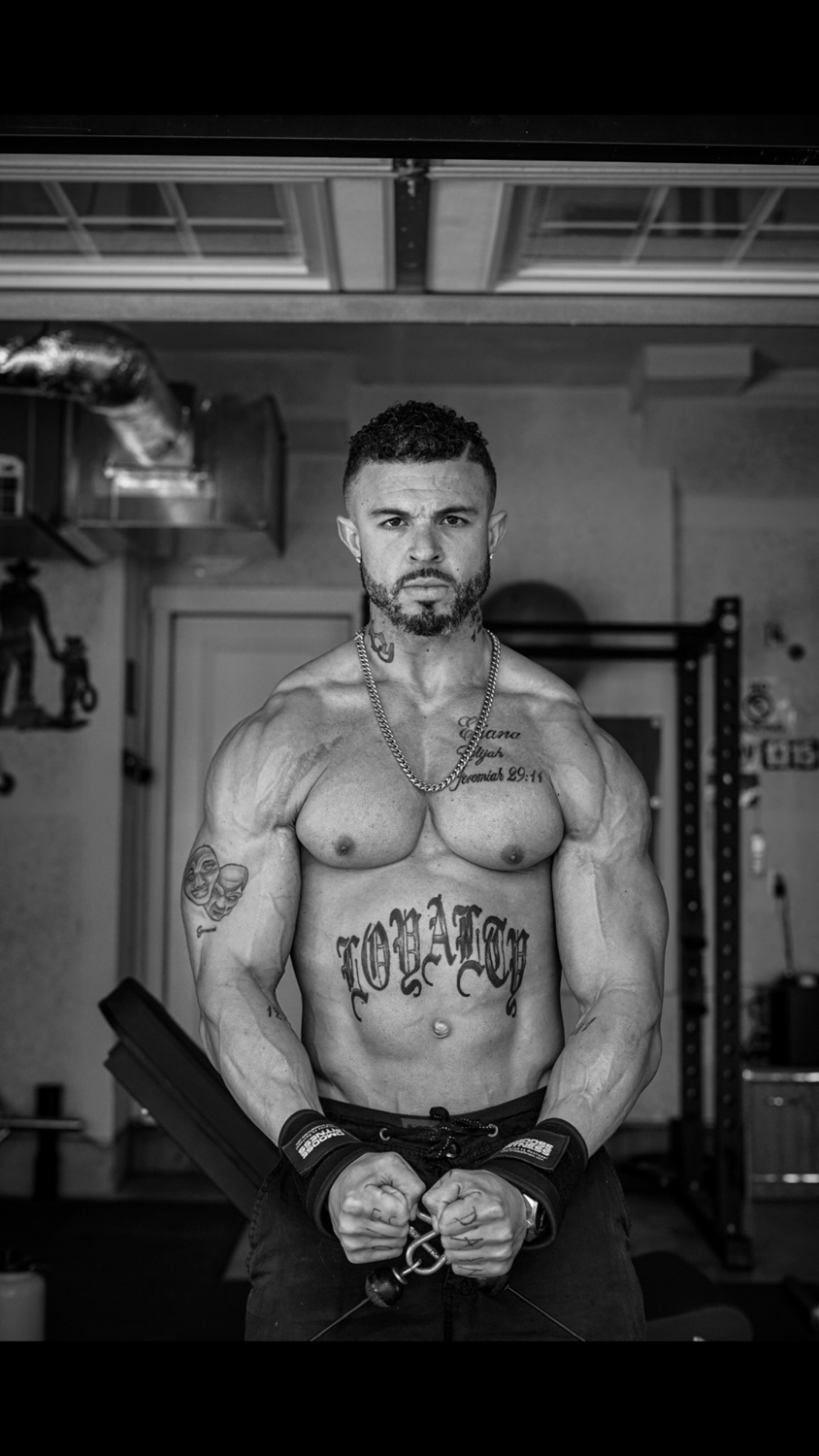
When most people think about getting stronger, losing body fat, or building muscle, they usually focus on two things: training harder and eating better.
While both are incredibly important, there's one piece of the puzzle that's often ignored, and it may be the difference between making progress or spinning your wheels.
That piece is recovery.
The truth is, your body doesn't actually get stronger while you're lifting weights. It gets stronger after your workout, when your body has time to repair damaged muscle fibers, replenish energy stores, and adapt to the stress you've placed on it.
If you're constantly pushing without allowing your body to recover, eventually your performance begins to decline.

More Isn't Always Better
Many people believe that if working out five days a week is good, then seven days must be even better.
Unfortunately, it doesn't work that way.
Training creates stress on the body. That's a good thing, but only when it's balanced with proper recovery.
Without enough recovery, that stress continues to accumulate, leading to:
Decreased performance
Chronic fatigue
Loss of strength
Poor sleep
Increased cortisol levels
Slower fat loss
Persistent soreness
Greater risk of injury
This is commonly known as overtraining or under-recovering, and it's something I've personally experienced.
My Personal Experience
After nearly 20 years of coaching, I learned one of my biggest lessons the hard way.
There was a period where I was training intensely almost every day. I wasn't drinking enough water, for my activity levels , I wasn't taking enough rest days, and I was constantly pushing through soreness because I thought working harder was the answer. I would doing two workouts in one day at times.
Well, eventually my body pushed back.
I developed elbow tendonitis that lasted nearly an entire year. Every pressing movement hurt. Even simple daily activities became uncomfortable.
At the same time, I started experiencing ongoing shoulder pain that affected my workouts and my ability to train at the level I wanted.
Looking back, it wasn't just the workouts that caused the problem.
It was the combination of:
Too much training volume
Not enough recovery days
Poor hydration
Constant stress on the joints
Not listening to my body's warning signs ahead of time
Those injuries taught me something I now teach every client at QUIK FITT:
Recovery isn't taking time off from progress, it is progress.
Sleep: Your Greatest Recovery Tool
If there were one recovery strategy I could recommend above all others, it would be getting quality sleep.

During deep sleep your body:
Repairs muscle tissue
Releases growth hormone
Supports testosterone production
Strengthens your immune system
Improves memory and learning
Restores your nervous system
Most adults should aim for 7–9 hours of quality sleep each night.
You can have the perfect workout program, but if you're only sleeping five hours a night, you're limiting your body's ability to recover and perform.
Nutrition Fuels Recovery
Food isn't just fuel for workouts. It's also the building material your body uses to repair itself.
A recovery-focused nutrition plan should include:
Lean protein to repair muscle tissue
Complex carbohydrates to restore glycogen
Healthy fats to support hormones
Plenty of fruits and vegetables for vitamins, minerals, and antioxidants
Adequate water and electrolytes for hydration
Many people underestimate hydration, but even mild dehydration can negatively impact performance, recovery, and joint health.
The Role of BCAAs
Branched-Chain Amino Acids (BCAAs)—leucine, isoleucine, and valine—are three essential amino acids involved in muscle protein synthesis.
If you're already eating enough high-quality protein throughout the day, additional BCAAs may not provide much extra benefit. However, they can still be useful in certain situations, such as:
Long training sessions
Fasted workouts
Periods when total protein intake is lower than ideal
For many active people, the priority should always be meeting daily protein needs first.
Why I Like ZMA
One supplement I personally like for recovery is Prozis ZMA, which contains zinc, magnesium, and vitamin B6.
While it isn't a miracle supplement, these nutrients can help support normal muscle function and sleep quality, especially if someone isn't getting enough zinc or magnesium through their diet.
Better sleep often means better recovery, and better recovery means better performance in the gym.
Don't Forget the Sun
One of the simplest recovery tools is also free.
Getting outside for natural sunlight each day can:

Help regulate your circadian rhythm
Improve sleep quality later that night
Support healthy vitamin D levels
Boost mood and energy
Encourage regular movement throughout the day
Even spending 10–20 minutes outdoors in the morning can help set your body's internal clock and improve recovery over time.
Managing Cortisol
Cortisol is often called the "stress hormone."
Your body naturally releases cortisol during exercise, and that's completely normal.
The problem occurs when physical stress from training is combined with poor sleep, inadequate nutrition, dehydration, emotional stress, and a lack of recovery.
Chronically elevated cortisol can make it harder to recover, increase fatigue, and reduce training performance.
The goal isn't to eliminate cortisol—it's to manage your overall stress so your body can recover effectively.
Recovery Is Part of the Program
At QUIK FITT, we don't believe in simply training harder.
We believe in training smarter.
That means programming workouts that challenge your body while also giving it enough time to recover, adapt, and become stronger.
Recovery isn't a sign of weakness.
It's one of the most important parts of building a stronger, healthier body for the long term.
Because the goal isn't just to look good for a few months.
It's to move well, feel good, stay injury-free, and continue doing the activities you love for years to come.
Remember:
You don't grow during the workout. You grow from recovering after it.


Comments